Professional Roof Ventilation Services

Optimizing Attic Airflow and Energy Efficiency in the Tri-Cities

A healthy roof needs to breathe. While high-quality shingles keep the rain out, a properly engineered roof ventilation system is what keeps the underlying structure from slowly destroying itself. At Trudeau's Northwest Roofing And Construction, we know that poor airflow is the leading cause of premature roof failure in the Pacific Northwest.

With over 30 years of local experience, we understand exactly how the intense summer heat and freezing winter nights of the Tri-Cities impact your home. Our expert roofing contractors specialize in diagnosing airflow issues and installing balanced attic ventilation that protects your investment and lowers your monthly energy bills.
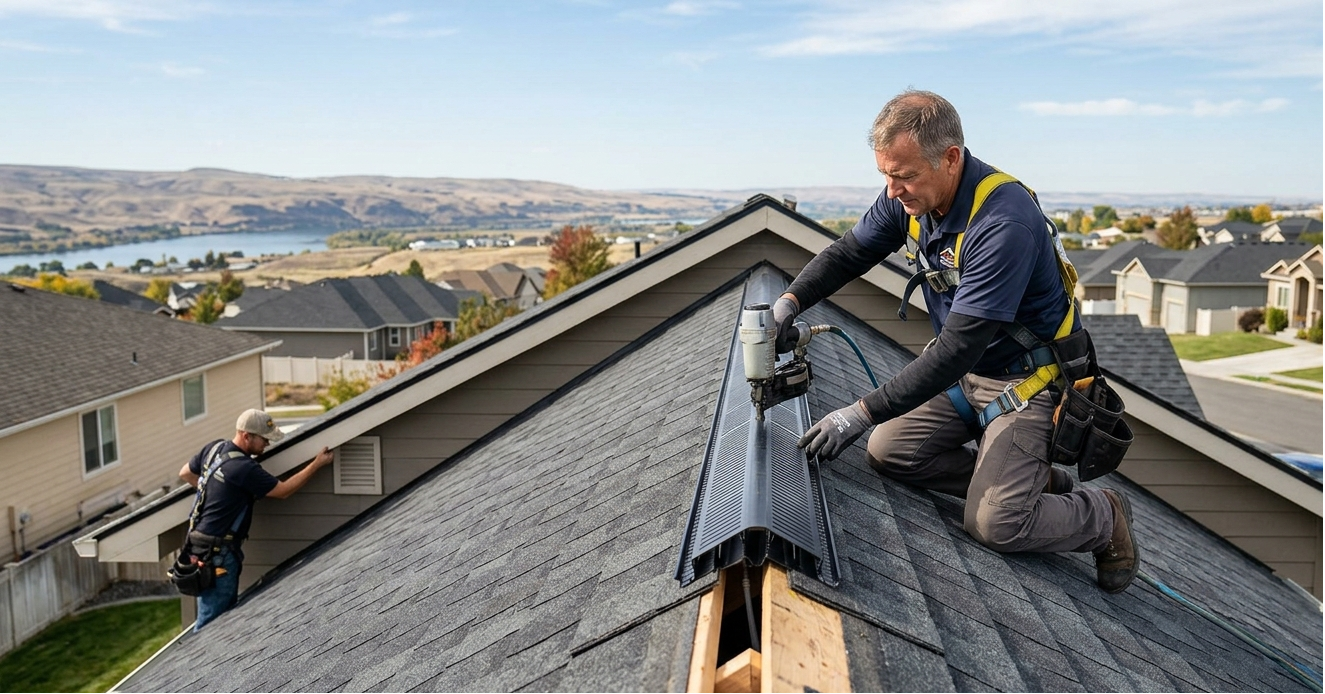
Ventilation Inspection

Why Your Home Needs Balanced Airflow

A functional ventilation system relies on a perfect balance of intake vents (bringing cool, fresh air in) and exhaust vents (pushing hot, stale air out). When we evaluate your home, we focus on creating this continuous cycle using premium components:

Gable Vent System

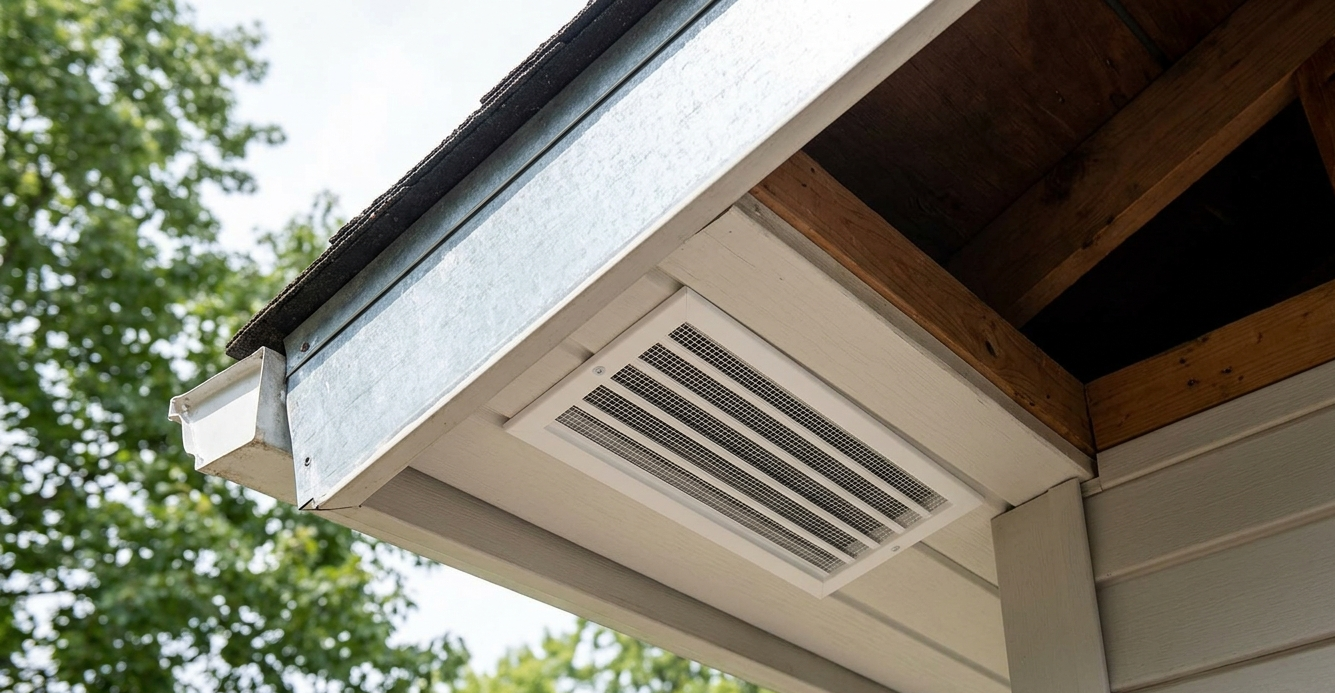
1. Intake Ventilation (Soffit Vents)

Fresh air must enter your attic from the lowest point of the roofline. We inspect, clean, or install soffit vents located under your roof's eaves. If these vents are blocked by painted-over screens or blown-in insulation, your entire ventilation system will stall.

2. Exhaust Ventilation (Ridge & Box Vents)

As air warms, it rises to the peak of your roof. We install high-efficiency exhaust ventilation to allow that trapped heat and moisture to escape seamlessly.

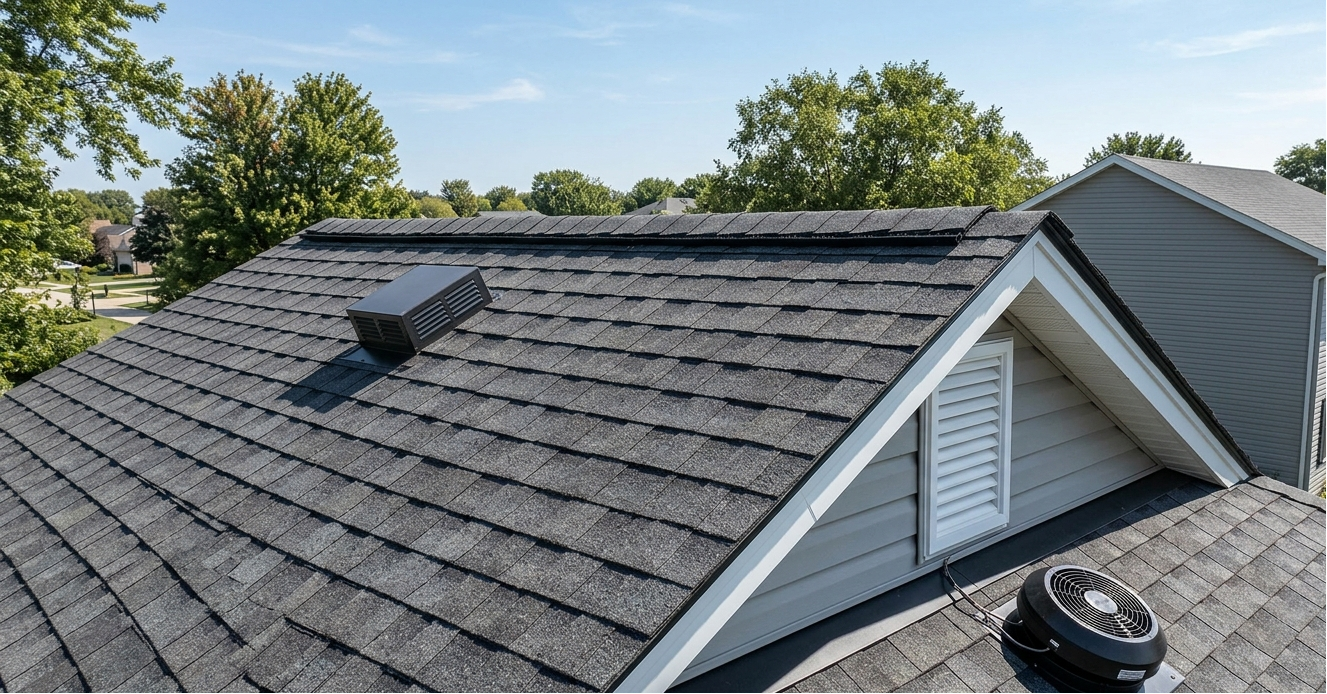
  • Ridge Vents: The most efficient exhaust option. These run continuously along the very peak of your roof, providing maximum airflow while blending invisibly into your shingle line.
  • Box Vents (Louvers): Strategic, static vents placed near the roof ridge, ideal for complex rooflines where a continuous ridge vent isn't possible.
  • Gable Vents & Power Fans: We also service and install wall-mounted gable louvers and thermostatically controlled attic fans to actively pull hot air out of stubborn, trapped spaces.
3 Soffit Vent Installation
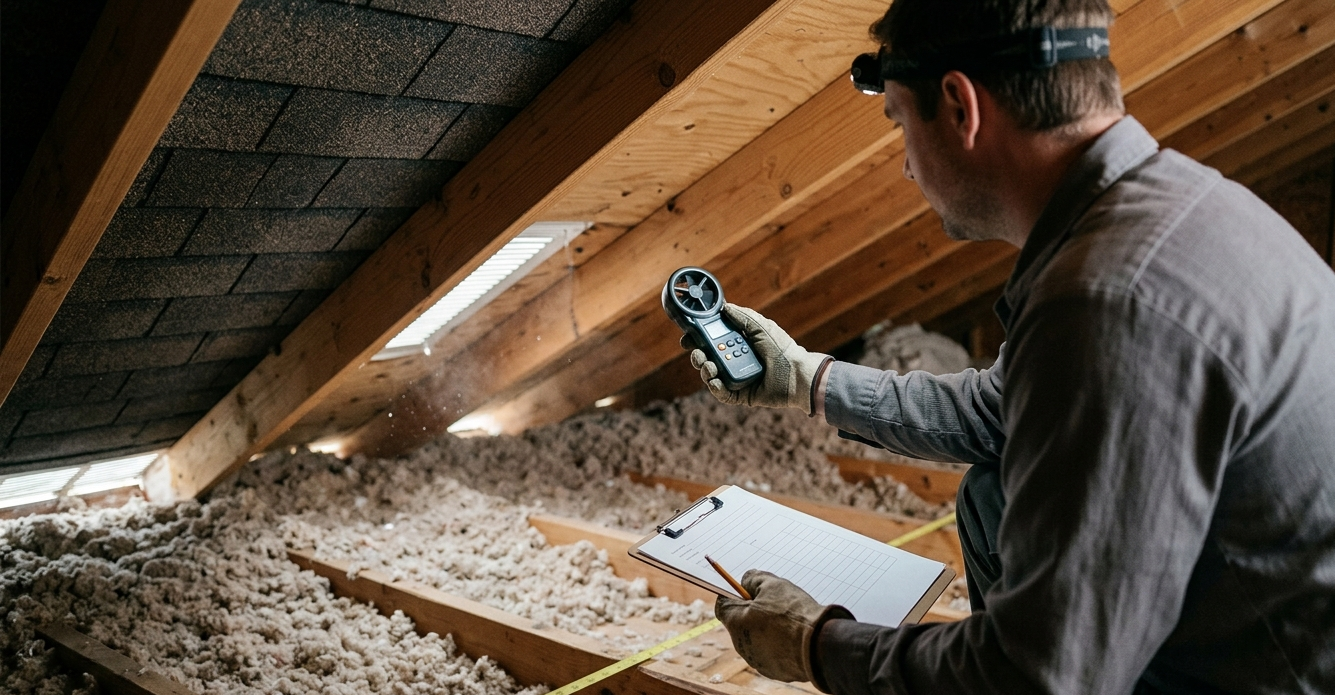
Comprehensive Airflow Diagnostics

3. Comprehensive Airflow Diagnostics

If your shingles are failing years before their warranty expires, poor airflow is likely the culprit. Our technicians perform thorough attic inspections to calculate your exact square footage and determine the precise ratio of intake to exhaust required by modern building codes.

The Dangers of Poor Attic Ventilation

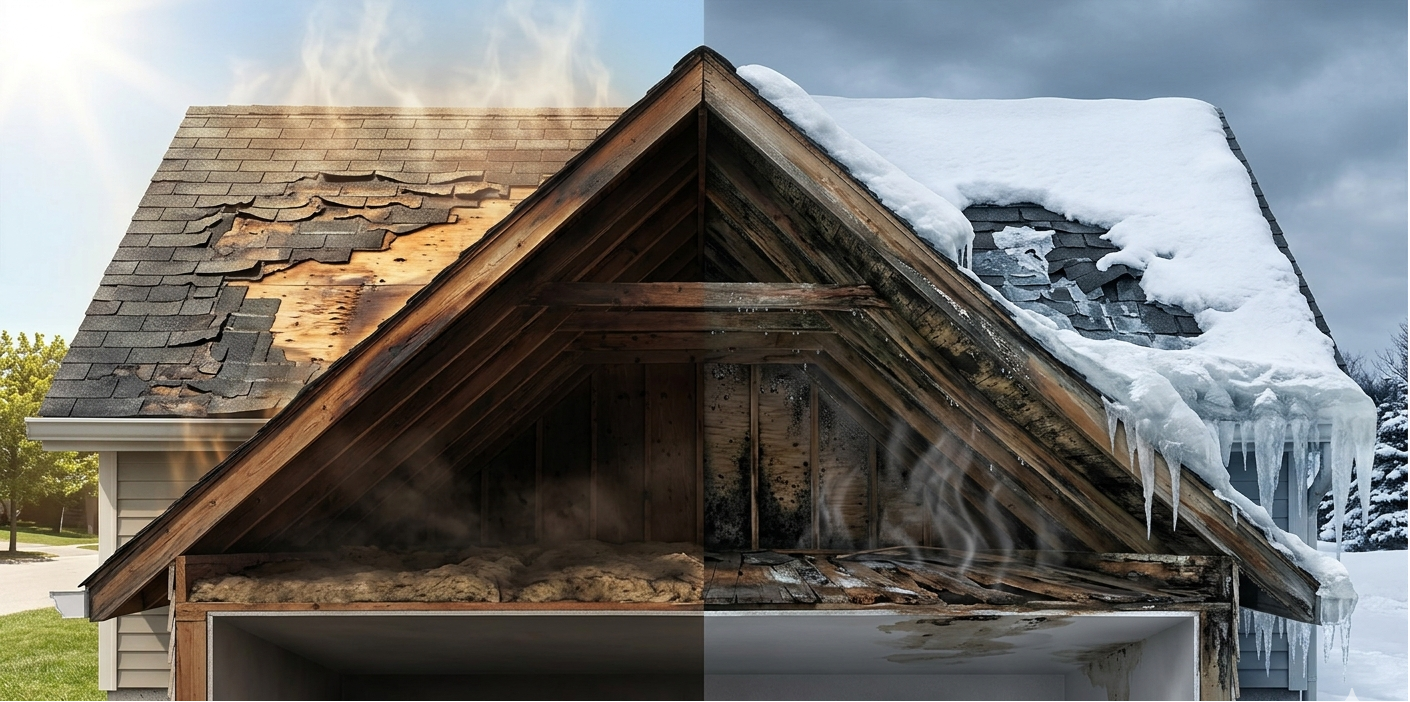
Ignoring your home's airflow can lead to severe, costly damage hidden right above your ceiling:

  • Summer Superheating: Without proper attic exhaust, temperatures can reach over 150°F. This bakes your asphalt shingles from the inside out, causing them to blister, curl, and lose their protective granules. It also forces your air conditioner to work overtime, driving up your energy costs.
  • Winter Moisture & Mold: In the winter, warm, moist air from your showers and cooking rises into the freezing attic. Without ventilation, this moisture condenses on your roof decking, leading to severe wood rot, sagging rafters, and toxic mold growth.
  • Ice Dams: Trapped heat melts the snow on your upper roof, which then runs down and refreezes at the colder eaves. This creates heavy ice dams that force water backward under your shingles, destroying your home's interior.
5 Box Vent Roofing

Frequently Asked Questions (FAQs)

  • There are a few major warning signs. In the summer, your AC will struggle to cool the upper floors, and your ceilings might actually feel hot to the touch. In the winter, look for frost buildup on the nails sticking through your attic ceiling. From the outside, curling shingles or a wavy, sagging roofline are strong indicators that trapped heat and moisture are destroying your roof decking.
  • Yes. More is not always better. A balanced ventilation system requires a specific ratio of intake to exhaust (typically 50/50). If you have significantly more exhaust than intake, the exhaust vents will actually reverse direction and pull rain or snow into your attic. Our experts calculate the exact net free area (NFA) required for your specific home size.
  • Absolutely not! This is a common and dangerous misconception. Your attic is supposed to be cold in the winter. Blocking your soffit or ridge vents traps warm, humid air inside the attic space, which will rapidly condense into water and cause widespread mold and wood rot. Your home's warmth should be contained by the insulation on your attic floor, not by the roof itself.
  • A ridge vent is a passive system; it relies entirely on wind and natural convection (heat rising) to move air out of the attic continuously and silently. A powered attic fan uses electricity to aggressively suck hot air out. While fans are useful in certain situations, a continuous, passive ridge-and-soffit system is generally preferred because it has no moving parts to break and costs nothing to operate.

Let Your Roof Breathe

Don't let trapped heat and moisture slowly destroy your home from the inside out. Contact Trudeau's Northwest Roofing And Construction today for a comprehensive ventilation assessment and free estimate.